The Rise of Bespoke Tailoring in India
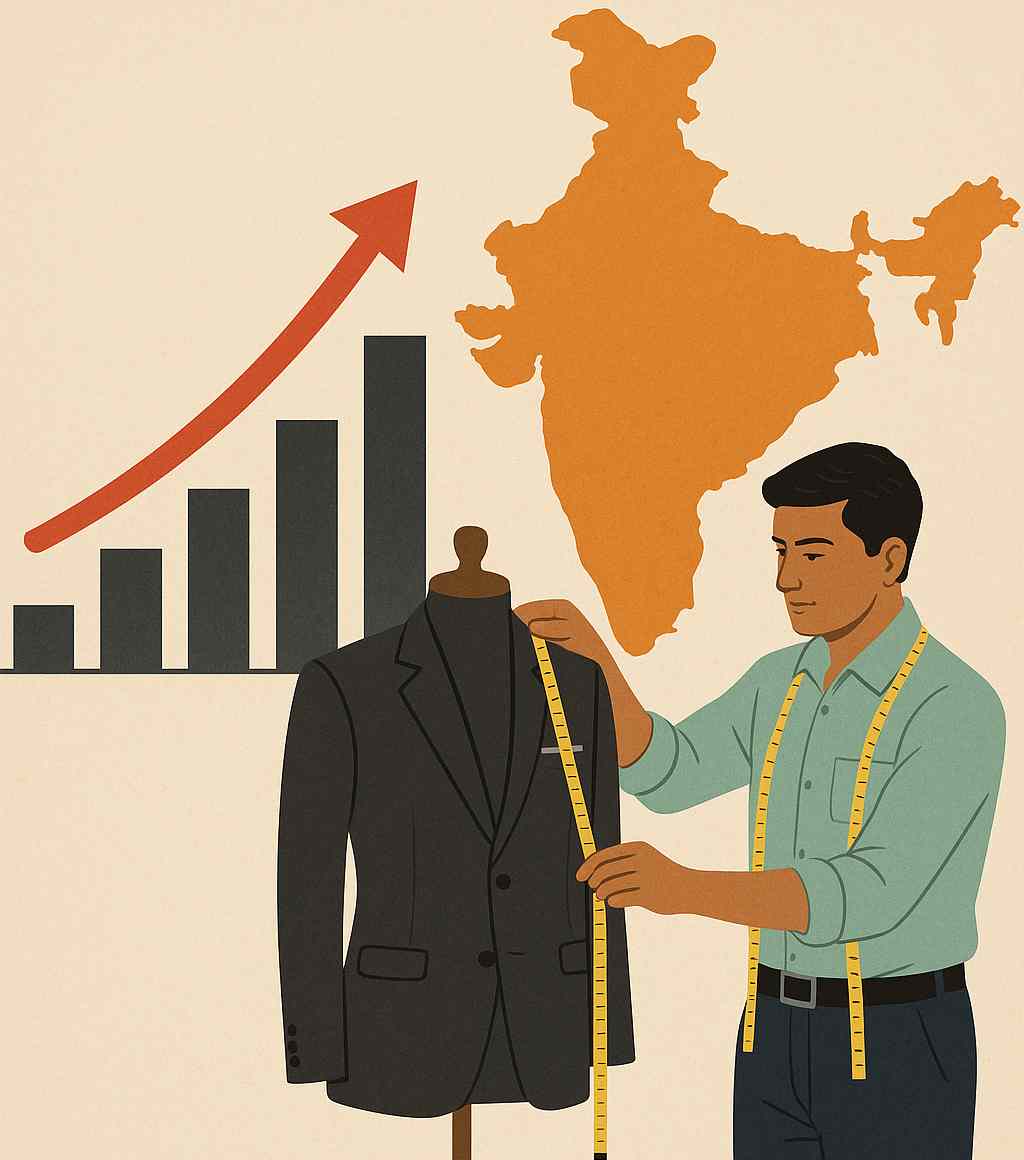
In a world dominated by fast fashion and mass production, the art of bespoke tailoring is orchestrating a quiet revival in India’s fashion landscape. This resurgence isn’t merely about clothing—it’s a celebration of individuality, craftsmanship, and thoughtful sustainability.
From Necessity to Luxury
India has a long-standing tradition of custom-made clothing—local tailors once crafted garments based on individual measurements, style preferences, and personal rapport. However, the convenience and affordability of off-the-rack apparel eventually overshadowed the bespoke industry. Yet, with time came a collective realization: standardized clothes might be cheap, but they lack fit, durability, and the personal touch that custom tailoring offers.
Why Bespoke Tailoring Is Made for Today
Several key factors have fueled this revival:
-
Precision Fit & Comfort: Custom-made clothing embraces your unique measurements—no compromises involved.
-
Exquisite Craftsmanship: Each garment is meticulously tailored, ensuring quality that stands the test of time.
-
Personal Expression: Clients choose fabrics, cuts, and designs that resonate with their individuality.
-
Eco-Conscious Choice: Unsustainable fast fashion meets its match in bespoke tailoring—crafted to last rather than be discarded.
India’s Unique Bespoke Style
What truly distinguishes the Indian bespoke movement is its fusion of tradition and contemporary flair. Tailors often combine Western silhouettes with Indian fabrics and embellishments—imagine a business suit cut in luxurious Indian wool or a sherwani with modern lines. This blend especially shines in India’s wedding market, where bespoke tailoring enhances cultural authenticity with a modern edge.
The Darzi Group: Trailblazers of the Bespoke Renaissance
At the forefront of this movement is The Darzi Group. What began as a modest tailoring house in Rajouri Garden, New Delhi, evolved into a game-changer thanks to its embrace of technology and craftsmanship. The group’s pioneering move to computerize fitting processes revolutionized Delhi’s tailoring scene.
With the launch of Studio Firang in 2001, The Darzi Group expanded into luxury ethnic wear—bespoke sherwanis, bandhgalas, and more, merging heritage with global aesthetics. Today, their offerings span contemporary formalwear and timeless traditional ensembles, all crafted with the precision bespoke tailoring promises.
(For more on their story, check out their blog post: “The Rise of Bespoke Tailoring in India”, or visit their homepage: The Darzi Group.)
Tailoring, Reinvented: The Bespoke Process
The charm of bespoke tailoring lies not only in the finished garment, but in the journey:
-
Consultation – Understanding the client’s vision and requirements.
-
Fabric Selection – Curated premium fabrics from around the world.
-
Measurement & Pattern Making – Creating a unique pattern tailored to the individual.
-
Fittings & Refinements – Iterative adjustments to perfect the fit.
-
Delivery – A truly personalized garment that fits and reflects the wearer’s identity.
Looking Ahead
Bespoke tailoring in India is no longer the exclusive domain of elites—it’s gaining traction among those who value style, individuality, and sustainability. The integration of tech—online bookings, virtual fabric selection, even garment visualization—is widening access like never before.
The future holds exciting possibilities: digital tools meeting artisanal skills, making bespoke tailoring more efficient, personal, and widely cherished.
In Conclusion
The rise of bespoke tailoring in India marks a cultural shift—from mass-produced convenience to mindful personalization and craftsmanship. As we drift away from fast fashion, brands like The Darzi Group are leading the way—preserving the heritage of tailoring while reimagining it for a modern, conscious audience.
Comments
Post a Comment